


Common Mistakes First-Time Exhibitors Make
Participating in an expo for the first time can be both exciting and daunting. While showcasing your business at an exhibition can lead to increased brand visibility and potential sales, many first-time exhibitors often stumble over common pitfalls. This comprehensive guide aims to highlight these mistakes and provide valuable insights to ensure your first exhibiting experience is a resounding success.
Understanding the Importance of Preparation
Preparation is Key
One of the most common mistakes first-time exhibitors make is underestimating the importance of thorough preparation. When jumping into an expo without a solid plan, you risk missing key opportunities for engagement and connection.
1. Setting Clear Objectives
Before even booking a booth, it is essential to understand your goals for the expo. Are you looking to generate leads, network with industry peers, or perhaps showcase a new product? Establishing clear objectives will guide your entire exhibiting strategy and help measure your success post-event.
2. Researching Your Audience
Understanding who will be attending the expo is critical. Research attendees’ profiles, interests, and pain points relevant to your industry. This knowledge allows you to tailor your messaging and exhibit design to attract the right audience.
3. Choosing the Right Venue
Different venues attract different audiences. Make sure the expo aligns with your business goals and will likely draw attendees interested in your products or services.
Poor Booth Design and Setup
First Impressions Count
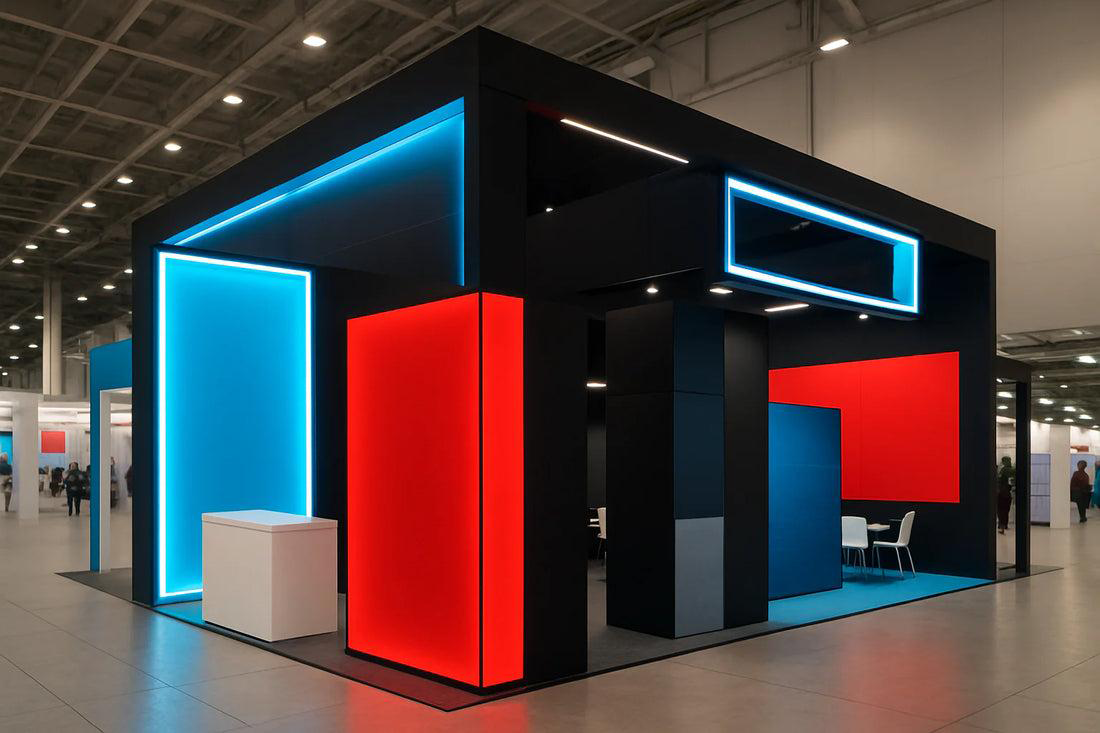
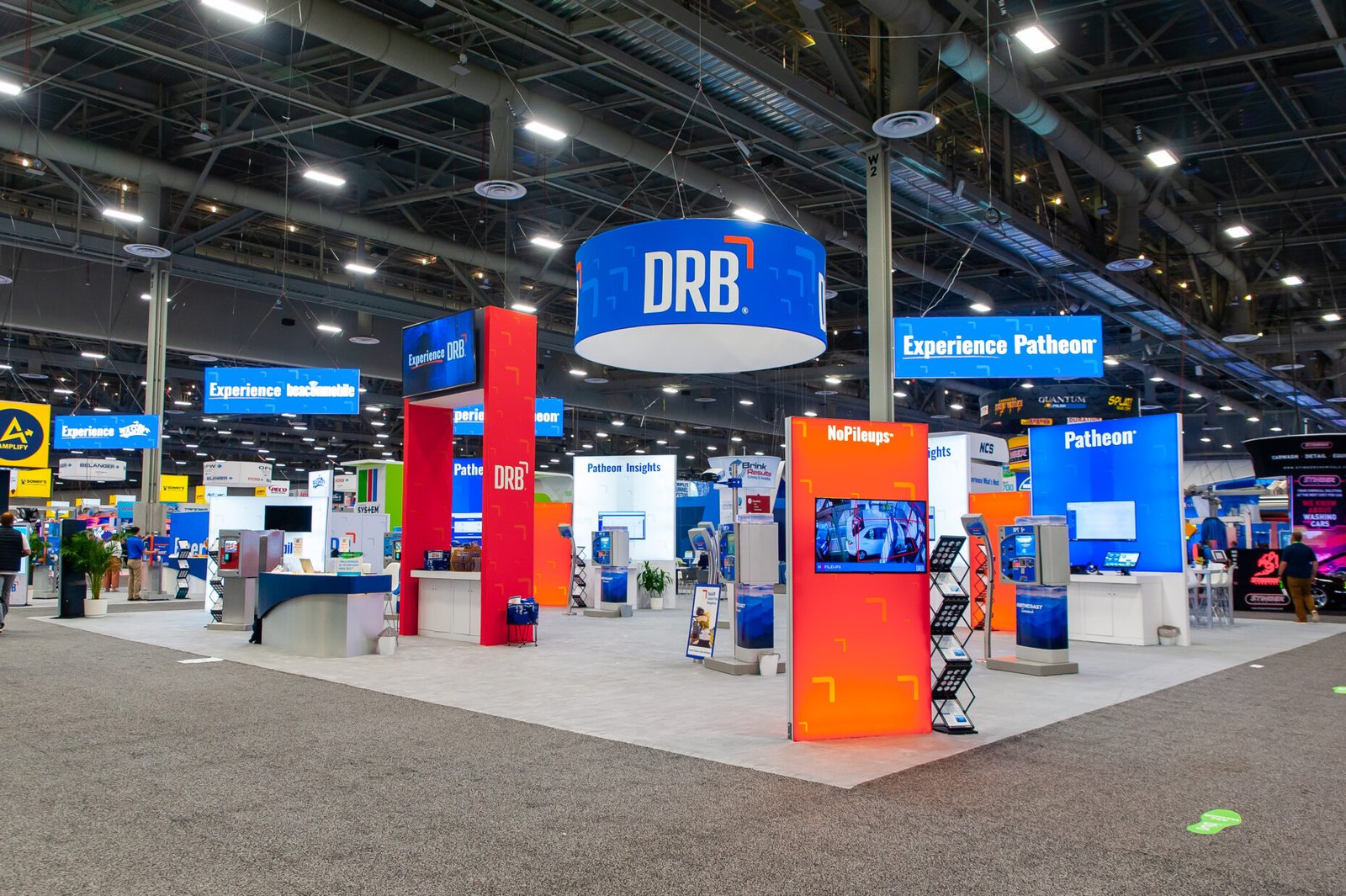
Your booth is often the first interaction potential clients have with your brand. A poorly designed or cluttered booth can lead to missed opportunities.
1. Investing in Quality Displays
Use high-quality materials for your booth. Banners should be clear, engaging, and visually appealing. Consider hiring professionals for design instead of trying to do it all on a budget. A well-designed booth can significantly boost your chances of attracting foot traffic.
2. Creating a Welcoming Environment
Your booth should invite attendees in rather than push them away. Ensure the layout allows for easy navigation and that your staff is approachable. Have enough space for demonstrations or discussions.
3. Incorporating Technology
Utilizing technology can make your booth stand out. Interactive screens or virtual reality experiences are great ways to engage visitors and create memorable interactions.
Neglecting Staff Training
Your Team Represents Your Brand
One of the vital yet overlooked elements of exhibiting is having well-prepared staff. Your team can make or break the experience you provide to attendees.
1. Training and Briefing
Before the event, thoroughly train your staff on product knowledge, messaging, and engagement techniques. They should be confident in discussing your offerings and able to answer questions.
2. Assigning Roles
Designate specific roles to each team member, such as greeting visitors, demonstrating products, or collecting leads. Clear roles help ensure your booth runs smoothly and efficiently.
3. Encouraging Interaction
Encourage your team to actively engage with attendees. This could mean initiating conversations, offering freebies, or encouraging participation in demonstrations. The more proactive your team is, the more likely you are to foster connections.
Underestimating Follow-Up
The Expo Doesn’t End When You Pack Up
A common misconception is that the work is done once the event concludes. However, diligent follow-up is critical to maintaining the momentum you built during the expo.
1. Collecting Contact Information
Ensure you have a robust system in place for collecting attendee information. This could be as simple as a sign-up sheet or using a digital platform that captures leads automatically.
2. Timely Follow-Up
Don’t wait too long after the event to follow up. A quick email or thank-you message can help keep your brand top of mind for interested prospects. Personalize your communication by referencing specific discussions or interactions from the event.
3. Tracking and Measuring Success
Analyze the leads generated from the expo, and assess how many converted into clients. This evaluation will help you understand the ROI and inform decisions for future exhibitions.
Overlooking Marketing and Promotion
Promote Your Presence Ahead of Time
Many first-time exhibitors fail to effectively market their participation before the expo. If attendees don’t know you’re there, they cannot visit your booth.
1. Leverage Social Media
Utilize your social media platforms to announce your attendance. Share what attendees can expect from your booth, special events, or exclusive offers to draw people in.
2. Collaborate with Influencers
Consider partnering with industry influencers or bloggers to promote your presence. Their endorsement can attract a larger audience to your booth.
3. Create Eye-Catching Pre-Event Content
Use blogs, videos, and other content formats to generate interest. Highlight the unique value your business offers and what attendees will gain by visiting your booth.
Ignoring Budgeting
Know Your Financial Limits
Budgeting is crucial in ensuring a successful exhibiting experience. Many first-time exhibitors overlook costs, leading to financial strain.
1. Detailed Budget Planning
Break down all potential expenses, including booth space, design, travel, accommodation, and promotional materials. A comprehensive budget allows you to make informed decisions.
2. Unexpected Costs
Set aside a contingency fund for unforeseen expenses that may arise. Knowing you have extra funds available can alleviate stress during the event.
3. Review and Adjust for Next Time
After the expo, review your budget to determine where you overspent or underspent. This analysis can provide insights for planning future exhibitions more effectively.
Conclusion: Make the Most of Your First Expo
Participating in your first expo can be a game-changer for your business, offering numerous opportunities for networking and sales. However, avoiding common mistakes can significantly enhance your experience and outcomes. By thoroughly preparing, carefully designing your booth, training your staff, planning effective follow-ups, marketing in advance, and staying within budget, you’re setting the stage for success.
With these insights, you can confidently navigate the expo landscape and elevate your brand presence in the marketplace. Remember, each exhibition is a learning opportunity, and with the right approach, your first experience can pave the way for future triumphs.