


How Companies Prepare for Trade Shows From Start to Finish
Preparing for a trade show is a comprehensive process that requires meticulous planning and execution. For companies aiming to maximize their visibility, engage potential clients, and showcase their products or services, understanding the steps involved can be invaluable. This guide offers a structured overview of how companies prepare for trade shows, highlighting each phase from initial planning to post-event follow-up.
Understanding the Importance of Trade Shows
Before diving into the preparation process, it’s crucial to recognize why trade shows are significant. These events provide businesses with a unique opportunity to connect directly with their target audience, gain valuable insights into industry trends, and network with peers. According to recent statistics, trade shows rank among the top three marketing strategies for B2B companies, attributed to their potential for lead generation and brand visibility.
Step 1: Setting Clear Objectives
To begin preparing for a trade show, companies must first set clear and measurable objectives. A well-defined goal will guide various elements of the preparation process. Common objectives might include:
– Generating a specific number of leads.
– Launching a new product.
– Enhancing brand awareness.
– Establishing partnerships with other businesses.
By outlining these goals, companies can tailor their approach to ensure maximum effectiveness during the event.
Step 2: Budgeting for the Event
Budgeting is a critical component of trade show preparation. Companies should consider the following expenses:
– Booth space rental: Prices vary based on the location and size of the booth.
– Booth design and construction: Investing in a visually appealing booth can significantly impact foot traffic.
– Travel and accommodation: Costs associated with transporting staff and securing hotel rooms.
– Promotional materials: Brochures, flyers, and business cards are essential for leaving a professional impression.
– Marketing campaigns: Pre-show marketing efforts to drive traffic to the booth.
Creating a detailed budget not only helps in managing costs but also ensures that companies are ready for any unexpected expenses.
Step 3: Choosing the Right Trade Show
Selecting the right trade show is crucial to ensuring alignment with the company’s goals. Researching upcoming events in your industry helps identify those that attract the desired audience. Consider the following factors when evaluating trade shows:
– Audience demographics: Ensure that the majority of attendees fit your target market.
– Relevant exhibitors: If competitors are present, it can be a sign of a reputable event.
– Location and timing: The venue and dates should be convenient for your team and audience.
Attending the right trade shows can significantly enhance the return on investment (ROI).
Step 4: Designing an Engaging Booth
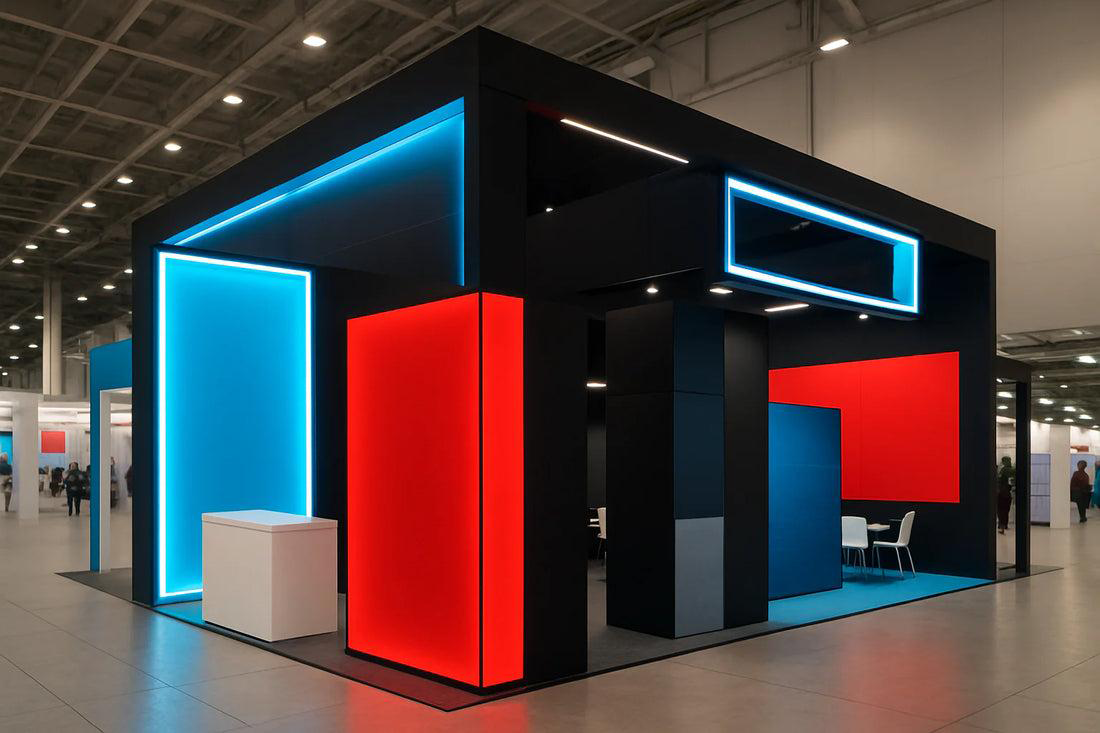
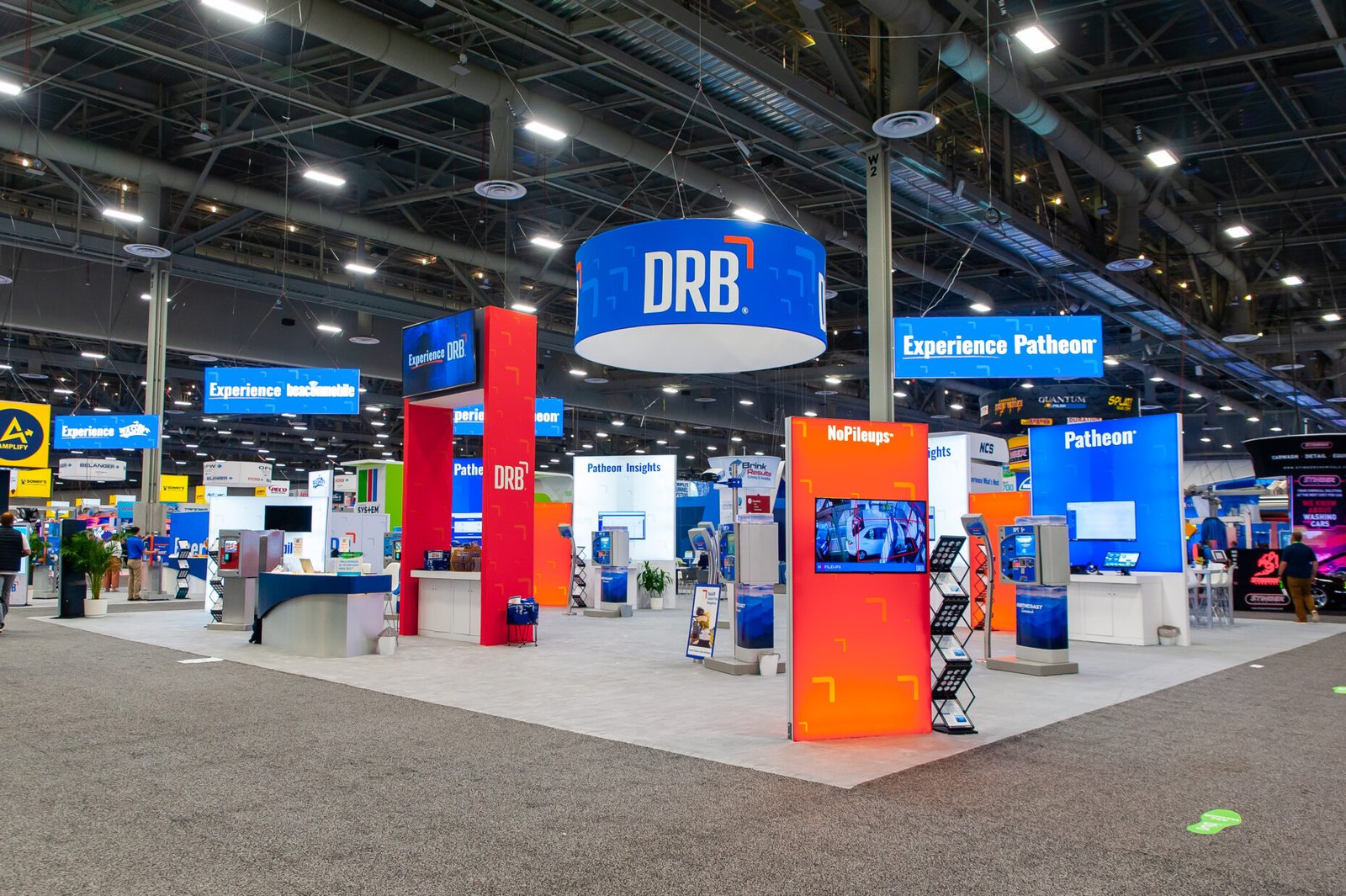
Your booth is your company’s physical representation at the trade show, so putting thought into its design is essential. Focus on creating an engaging and informative layout. Consider these elements:
– Visual appeal: Use bold graphics, colors, and lighting to draw attention.
– Interactive elements: Consider incorporating technology, such as touchscreen displays or product demos, to engage visitors.
– Clear branding: Ensure that your company’s name and message are prominently displayed for easy recognition.
An inviting and dynamic booth design can attract a larger audience and leave a lasting impression.
Step 5: Training Your Team
Having the right representatives at your booth can make all the difference. Training your team to effectively communicate with attendees will optimize engagement. Here are key training focus areas:
– Product knowledge: Ensure every team member knows the ins and outs of the products or services being showcased.
– Sales techniques: Equip the team with strategies to handle inquiries, collect leads, and make sales conversions.
– Networking skills: Teach staff the importance of building relationships and how to engage in meaningful conversations.
Investing in staff training will empower your team to represent your company confidently.
Step 6: Developing Marketing Materials
To leave a lasting impression at the trade show, companies should prepare high-quality marketing materials. These materials can help convey messages and reinforce the company’s branding. Key items to consider include:
– Brochures and flyers: Summarize key offerings and provide insightful information.
– Business cards: Don’t forget to distribute business cards that include detailed contact information.
– Promotional giveaways: Offer branded items such as pens, tote bags, or tech gadgets to create goodwill and prompt future engagements.
These collateral materials serve both practical and promotional purposes.
Step 7: Pre-Show Marketing
To maximize attendance at your booth, engaging in pre-show marketing is essential. Companies can utilize various channels to publicize their participation. Consider these strategies:
– Email campaigns: Send invites to your mailing list encouraging them to visit your booth.
– Social media promotion: Use platforms like LinkedIn, Twitter, and Facebook to generate buzz.
– Website updates: Feature an announcement about the trade show on your company website, including booth details and promotions.
These marketing efforts create anticipation and drive traffic to your booth.
Step 8: Logistics and Setup
When the trade show date approaches, logistics play a crucial role in ensuring a smooth experience. This includes:
– Shipping materials: Confirm that all booth elements, promotional materials, and giveaways are shipped to the venue on time.
– Setup plans: Create a timeline for booth setup and assign specific tasks to team members.
– Technical requirements: Ensure that all technology, such as laptops and displays, are functional and tested well in advance.
Efficient logistics can alleviate stress on the day of the event and allow for a sharper focus on engagement.
Step 9: Engaging with Attendees
During the trade show, the goal is to attract, engage, and convert attendees into potential clients. Here are some strategies to enhance engagement:
– Live demonstrations: Showcase products through demonstrations, inviting attendees to participate.
– Networking opportunities: Organize informal meetings or happy hours to foster connections.
– Lead capture systems: Utilize technology to collect attendee contact information efficiently.
Engagement is critical for converting interest into potential sales.
Step 10: Post-Event Follow-Up
The work doesn’t end when the trade show concludes. Effective post-event follow-up can cement the relationships built during the event. Steps to consider include:
– Contacting leads: Reach out to leads within a week of the event to reinforce interest.
– Sending thank-you notes: A simple gesture can leave a positive impression.
– Evaluating performance: Analyze whether objectives were met and adjust strategies for future events.
Following up ensures that the efforts made at the trade show yield long-term results.
Conclusion
Preparing for trade shows is an intricate process that, when executed correctly, can lead to substantial business opportunities. By setting clear objectives, budgeting appropriately, selecting the right event, designing an engaging booth, training staff, and following up with leads, companies can maximize their trade show presence. Remember, the goal is not just to participate in the event but to make it a meaningful opportunity for growth. As you embark on your next trade show journey, use this guide to steer your preparation from start to finish, ensuring a successful and rewarding experience.